
Everyday meds might not make it past customs overseas; here’s what to know before you fly.
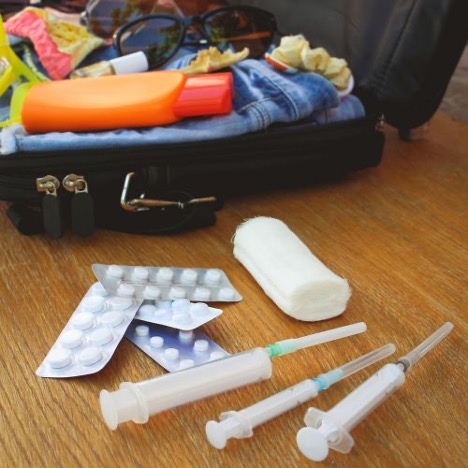
You’ve made it through the airport security maze, settled into your airplane seat with your neck pillow perfectly positioned, and you’re mentally preparing for that long-awaited Asian adventure. Then it hits you—wait, can I actually bring my Sudafed to Tokyo?
Probably not.
Here’s something many travelers don’t realize until it’s too late: medicine cabinet staples may be contraband overseas. Even seasoned globe-trotters get caught off-guard by international drug laws that can turn innocent allergy relief into a confiscation situation—or worse.
Most of us take for granted that we can fly across the country with our day-to-day prescriptions or over-the-counter meds without a second thought. But when crossing an international border, the rules are different.
Common meds that won’t fly
Here are some of the most common offenders that’ll get flagged overseas:
Sudafed (Pseudoephedrine)
That nasal decongestant saving your sinuses? It’s banned in Japan and Mexico.
Benadryl (Diphenhydramine)
Your go-to allergy fighter is restricted in Japan and Zambia.
Codeine cough syrup
Many cough medicines containing this opioid are controlled or outright banned in the UAE, Japan, Greece, and Indonesia.
ADHD medications
Adderall and Ritalin require advance approval in countries like the UAE, Japan, Singapore, and South Korea. These aren’t “show up and explain later” situations—you need permits submitted well before departure.
Do your homework
Take Japan, for example. Even after researching local laws, carrying written prescriptions, and bringing only what’s needed for the trip duration, many travelers are still surprised upon landing. Over-the-counter status in the U.S. means nothing when you’re dealing with foreign customs.
The smart move? Look up local laws, get written prescriptions from your doctor, and bring only trip-duration amounts. Better safe than sorry—and definitely better than detained.
The packaging police
Here’s where your cute travel pill organizer becomes your enemy. Keep everything in original packaging; optics matter when it comes to customs inspections. Even harmless medications can raise red flags if they’re not clearly labeled. And keep those original prescription bottles in your carry-on personal item—not buried in checked luggage where they aren’t handy when you are answering a custom official’s questions.
Papers, please
For added protection, especially if your medication might raise eyebrows at your destination, travel with copies of written prescriptions and doctor’s notes. (Make sure they are legible!) Some countries require specific certificates or advance approval documentation.
Your best research resources:
U.S. Embassy websites for your destination
Centers for Disease Control and Prevention (CDC) guidance
International Narcotics Control Board (INCB)
International Pharmaceutical Federation (FIP)
When things go sideways
Consequences vary from confiscation and fines to detention or arrest. Remember: you’re a visitor in someone else’s country, so their rules win every time. When in doubt, err on the side of caution.
Bonus: Pro tips for the medicine cabinet globetrotter
Plan for time zones: If you need to take medication at the same time daily across multiple time zones, talk to your doctor about timing adjustments.
Consider altitude and jet lag: Discuss potential medication side effects when flying or dealing with severe jet lag. The last thing you want is an adverse reaction when you’re far from home.
Pack smart: Bring extra medication and split it between your carry-on and personal item. Flight delays and lost luggage shouldn’t leave you without essential meds.
Twist’s Take: Research medication laws before you fly, keep pills in original packaging, and leave questionable meds at home. You don’t want to be explaining your medicine cabinet to customs.