
Here are suggestions for what to pack in your travel pharmacy.
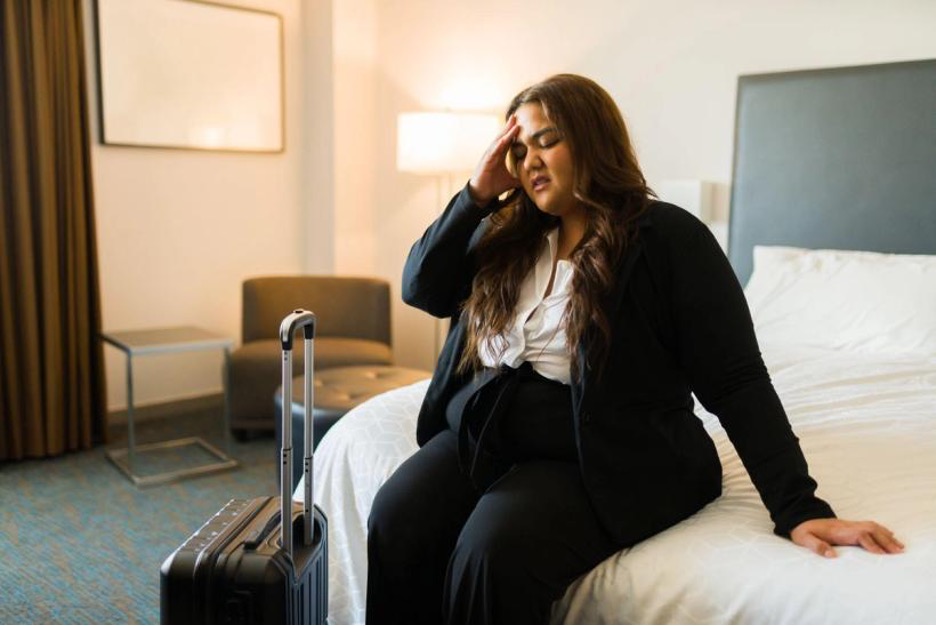
Getting sick on the road is miserable enough without having to hunt down medication in an unfamiliar country—here’s how to build a kit that keeps you covered. It happens to every frequent traveler eventually: you’re halfway around the world and suddenly you’re hit with a flu, an ear infection, or some other ailment that knocks you flat. And that’s when you discover that getting the medication you need isn’t nearly as simple as it is back home.
Availability, cost, and even the general approach to treatment vary wildly depending on where you are. In most Western countries, antibiotics require a prescription and are reserved for serious cases. In Thailand and many other places, you can buy them over the counter from a pharmacist—they hand them out quite liberally, which isn’t always ideal, but comes in handy when you need to knock out a nasty infection.
Unless it’s something truly serious, the last thing anyone wants is to spend half a day at a foreign clinic just to get a prescription for something you’ve taken a dozen times before.
My Travel Medicine Kit
Over the years, I’ve built out a small pharmacy that usually travels with me, especially when I am going really far afield. These are the essentials that cover most situations and aren’t always easy to source on the road:
For pain and fever:
-Acetaminophen (Tylenol) for general pain and fever
-Ibuprofen (Advil/Motrin) for inflammation, stronger pain, or toothaches
-Aspirin (also useful for heart-related emergencies)
For digestive issues:
-Loperamide (Imodium) to control diarrhea symptoms when you need to function
-Bismuth subsalicylate (Pepto-Bismol) for prevention and mild treatment of traveler’s diarrhea—studies show two tablets four times daily can reduce your risk by over 60%
-Antacid tablets for heartburn and indigestion
-A mild laxative (travel constipation is real)
For colds and allergies:
-Decongestant (pseudoephedrine or phenylephrine)
-Antihistamine like diphenhydramine (Benadryl) or non-drowsy loratadine (Claritin) for allergies and allergic reactions
-Cough suppressant and/or expectorant
-Cough drops or throat lozenges
For motion sickness and sleep:
-Dramamine or Bonine for motion sickness
-A mild sleep aid like melatonin or diphenhydramine for jet lag and unfamiliar beds
For minor injuries and irritations:
-Hydrocortisone cream (1%) for bug bites, rashes, and skin irritation
-Antibiotic ointment (Neosporin) for cuts and scrapes
-Lubricating eye drops for dry cabin air and dusty environments
For rehydration:
-Oral rehydration salts (ORS) packets—these follow the WHO formula and are far more effective than sports drinks when you’re dealing with serious fluid loss from diarrhea or vomiting
Prescriptions to discuss with your doctor:
-Antibiotics for traveler’s diarrhea—azithromycin is now the recommended choice over ciprofloxacin for most destinations
-Prescription antibiotic eye drops (like Tobradex) if you’re prone to eye infections or visiting cities with heavy air pollution
-Antimalarials if your itinerary requires them
A few notes on the antibiotics: I always consult with a doctor friend before taking them, as in many cases they’d be overkill or simply ineffective. It’s not something to pop casually—but when you genuinely need them and you’re somewhere remote, having a course on hand is invaluable.
Backup Options Worth Having
Beyond the medicine kit itself, a couple of other resources help:
Telemedicine access. Many health insurance plans now include a telemedicine portal where you can consult with a doctor remotely. It’s not perfect—there’s only so much a stranger can do without taking vitals in person—but it’s useful for getting guidance on whether you need professional care or can ride it out.
Travel insurance. Good coverage will handle medical expenses abroad, but honestly, it’s the process that’s annoying, not the cost. Having your own supplies means fewer claims to file and less time spent navigating foreign healthcare bureaucracy.
When It’s Time to See a Doctor
Sometimes a hotel room recovery isn’t going to cut it. When that happens, your best move is to ask the hotel concierge for a recommendation—whether that’s a GP practice, a clinic, or a hospital depends on where you are. In Germany, you’d head to a doctor’s office. In Thailand, people go straight to the hospital. Every country handles it differently, so let the locals point you in the right direction.
The goal of packing your own medicine isn’t to play doctor—it’s to handle the minor stuff quickly so you can get back to your trip, and to buy yourself time and comfort until you can get proper care if you need it.
Twist’s Take: A well-stocked travel pharmacy won’t cure everything, but it’ll get you through the miserable nights when the only thing open is your minibar.